It is what it is. Isn’t that what we’re used to think about our genes? We got them as life starter packs from our parents and, depending on the situation, learned to praise them or hate them. Great skin? Thank you, genes! Slow metabolism? Blame it on the genes. It’s true, these tiny sections of DNA are very powerful but they are not in full control over our bodies. And, according to the scientists, we can learn to control them.
The role of genes
The Human Genome Project, a major scientific research project ongoing since 1990, is on a constant mission to identify and map the entire human genome.1 It is estimated that human body is filled with 19,000- 22,000 genes.2 After years of research the numbers aren’t exact and the scientists keep reminding us how difficult it is to identify new genes, or even put a specific definition of what a gene is. While they are focused on exploring, let us focus on the basics. Every person has two copies of each gene, one inherited from each parent. Each gene contains sequences of DNA that can be described as our internal instructions for making specific proteins which help build and maintain the body. These proteins lead to the expression of physical characteristics – they determine the color of your eyes, the thickness of your hair or the length of your legs. They can also determine the risk of having or developing certain genetic disorders.3 DNA is a powerful thing but despite what we believed in for many years, it can be manipulated and factors as simple as optimizing the diet and making small lifestyle changes can take the physical and mental health to the next level.
What is epigenetic?
The first time I heard the term „epigenetics” was about 8 years ago, when I came across an article about Dave Asprey4 , an American entrepreneur and author, who caught my attention with two things: inventing the bulletproof coffee and claiming he wants to live at least 180 years in full health. I don’t like the idea of adding anything to my black coffee5 but I love the idea of a long, healthy lifespan so I kept researching Dave’s work. “You must build practices that prevent you from falling prey to those basic instincts that make you a short-term thinker.” – that’s his #1 life rule, or at least one of the most important ones. Clearly he doesn’t want to give away the control over his health to anyone or anything, including his own genes. That’s why he invests his time and money (lots of money, as he often underlines) in exploring the field of epigenetics, which, again using his own words, „blows the doors off conventional thinking around upgrading yourself”.
Epigenetics is the study of how your behaviors and environment can cause changes that affect the way genes express. Gene expression refers to how often or when proteins are created based on the instructions that are coded within your genes.6 While genetic changes can alter which protein is made, epigenetic changes, that are fully reversible and don’t change the DNA sequence, affect gene expression to turn specific genes “on” and “off.” This genetic switch depends on many factors, including:7
- Type of diet
- Exercise regime
- Sleep cycle
- Hydration
- Periods of fasting
- Impact of light and temperature
- Supplementation
- Working habits
- Stress management
- Detoxification
Since the environment and lifestyle can result in epigenetic changes, they can become practical, everyday tools to determine the way your body works, feels and changes over time.
Epigenetics and aging
Epigenetics doesn’t only make us feel better here and now. It works long term and can help our bodies cope with the passing of time and decrease the risk of age-related disease.8 Aging is manifested in a gradual decline of normal physiological functions over time. The older we get, we more DNA modifications that can protect us against cancer and other diseases we lose.9 Studies10 show that thanks to the reversible nature of epigenetic mechanisms it is possible to restore or reverse some of the aging processes, slow down tissues degeneration and succeed in achieving more youthful cells.11 This means we can stay fit, healthy and cognitively active throughout the entire lifespan. All we have to do is to incorporate the right lifestyle changes.
Epigenetic practices for everyday life
Don’tlet the specialized terms fool you – you don’t need a degree in science for implementing epigenetics into your daily routines. The hacks, or should I say biohacks, are simple, accessible and what’’s most important, studies-based. Here’s what you can do every day to biologically upgrade yourself:
Detoxify Environmental chemicals may modify multiple biological processes that affect epigenetic mechanisms, gene expression, and increase disease risk.12 Your body can absorb them with the air you breathe, the water your drink, the foods you eat and the cosmetics that get into your bloodstream after getting absorbed into the skin. To keep a healthy lymphatic flow and help your body remove the harmful substances faster, implement detoxifying routines. Dry brush, drink plenty of water, do a sweaty workout and include cleanse-promoting foods into your diet. The ones on the top of my grocery list are: ginger, turmeric, blueberries, spirulina, cucumber, dark leafy greens and berries. 13
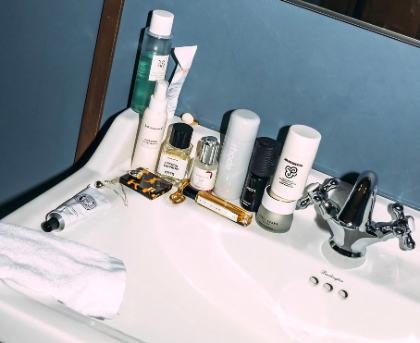
Clean up your beauty routine More than half the cosmetics sold in the United States, one of the biggest beauty markets in the world, likely contain high levels of a toxic industrial compound linked to serious health conditions.14 According to the Environmental Working Group 15, an American activist group that specializes in research and advocacy in the areas of agricultural subsidies, toxic chemicals, drinking water pollutants, and corporate accountability, women use an average of 12 products a day, containing 168 different chemicals. That’s 168 potential healthy gene expression disruptors a day. If you want your beauty routine to serve not only your beauty, but also your health, clean it up. Chose your skincare products based not on good marketing but on good ingredients.
LAST’s mission is to deliver your skin quality, potent and nutritious ingredients and avoid harmful additives causing the negative effect on your health. You can read more about their impact on your beauty and health here:
Hack your sleep When you give your body enough time for regeneration at night, you also give your brain a chance to repair the neurons after a hard day of processing and consolidating information.16 To enhance the quality of your sleep, view sunlight by going outside within 30-60 after waking up to promote release of melatonin at night, avoid caffeine, naps and too much blue light exposure in the second half of the day, keep the temperature in your bedroom around 20 ºC and avoid heavy dinners.17
Move smart Physical exercise has been shown to reduce and even reverse certain epigenetic mutations and increase genes expression levels.18 Move on a daily basis but make sure your workout plan is varied. Mix HIITs, weightlifting and resistance training and leave some time for rest. Dave Asprey works out intensely once a week, because he says if you do it everyday, your body won’t recover enough for the next workout.19
Give fasting a chance As a person who loves to eat I tried hard not to accept the fact that fasting works. But it does. Studies 20 show that fasting is beneficial for health and longevity by improving blood pressure, reducing BMI, decreasing weight circumference and upregulating DNA repair proteins. If you want to give fasting a chance, make sure you do it the right way. Check LAST’s science-based tips here
Fall in love with cold showers Exposure to cold temperatures leads white fat cells, which typically store energy, to turn into healthier “beige” fat cells that produce heat. Studies show that „when we’re chilly, our body shivers in order to generate short-term heat by warming up the muscles. Shivering is a mechanical reflex we involuntarily engage in to maintain homeostasis. Thermogenesis, on the other hand, is a chemical process by which brown fat cells use lipids to create heat and keep the body warm for the long term. Brown fat is thought to be healthier and is not linked with metabolic diseases related to excess white fat”. 21 Make sure to take your cold showers in the morning, not in the evening. Cold temperature can make you feel more alert which might interfere with a healthy sleep routine.
I know that „simple” doesn’t have to mean „easy”, especially if living a more epigenetis- friendly life would mean making significant changes in many of its areas. If you don’t know where to start, start with your mind. Mindfulness practices, such as yoga or meditation, can have an epigenetic effect and counteract stress – induced neurodegenerative processes by reducing cellular aging and preserving neuroplasticity in the brain. 22 When you become more relaxed and more aware, it’s much easier to notice what really serves your body and implement another lifestyle modifications, pampering even as little as one set of genes at a time.

Marzena Jarczak
An international model based in Paris. A researcher, copy writer and a journalist exploring for us the areas of neuroscience, brain, biohacking, living healthy life. Author of Out & About series discovering cultural life in Paris in all its aspects. A strong, wise personality with a growth mindset.
Read more:
- The Human Genome Project; National Human Genome Research Institute; September 2022
- New human gene tally reignites debate; Springer Nature Limited; Cassandra Willyard; June 2018
- Genetic Disorders; Cleveland Clinic
- Dave Asprey is the founder of Upgrade Labs & known as the ‘Father of Biohacking’., Dave Asprey
- Bulletproof coffee recipe; Bulletproof; September 2022
- What is Epigenetics?; Centers for Disease Control and Prevention, August 2022
- Epigenetics and lifestyle; National Library of Medicine, Jorge Alejandro Alegría-Torres, Andrea Baccarelli, and Valentina Bollati; Epigenomics. 2011 Jun; 3(3): 267–277. doi: 10.2217/epi.11.22
- Epigenetic reprogramming: the road to reversing time; Longevity Technology, Eleanor Garth, September 2020
- Aging Is Recorded in Our Genes; Science, Michael Balter, June 2012
- Epigenetics and aging; National Library of Medicine, National Center for Biotechnology Information; Sangita Pal and Jessica K. Tyler
- Examples of projects in the lab; Harvard Medical School;
- Epigenetics and environmental chemicals; A Baccarelli and V. Bollati, February 9
- Our favorite daily detox practices; Sakara Life, December 2019
- Half of U.S. cosmetics contain toxic chemicals, study says; CBS News, June 2021
- Know your choices; Environmental Working Group,
- Epigenetics of Sleep Disorders: An Emerging Field in Diagnosis and Therapeutics, National Library of Medicine, National Center for Biotechnology Information, Rene Cortese, May 2021
- Toolkit for Sleep, Huberman Lab, September 2021
- Impact of parental exercise on epigenetic modifications inherited by offspring: A systematic review; National Library of Medicine, National Center for Biotechnology Information, Jessie E. Axsom * and Joseph R. Libonati, PhD, November 2021
- The founder of Bulletproof Coffee plans to live to be 180 years old — here’s his daily routine, Business Insider; Leanna Garfield, October 9
- Intermittent fasting from dawn to sunset for four consecutive weeks induces anticancer serum proteome response and improves metabolic syndrome, Scientific Reports, Ayse L. Mindikoglu, Mustafa M. Abdulsada, Antrix Jain, Prasun K. Jalal, Sridevi Devaraj, Zoe R. Wilhelm, Antone R. Opekun & Sung Yun Jung; October 2020
- Exposure to Cold Temperatures Can Change Our Gene Expression and Fat Cells; What is Epigenetics, Bailey Kirkpatrick, August 2018
- Molecules of Silence: Effects of Meditation on Gene Expression and Epigenetics; Frontiers; Sabrina Venditti, Loredana Verdone, Anna Reals, Valerio Vetriani, Micaela Caserta and Michele Zampieri