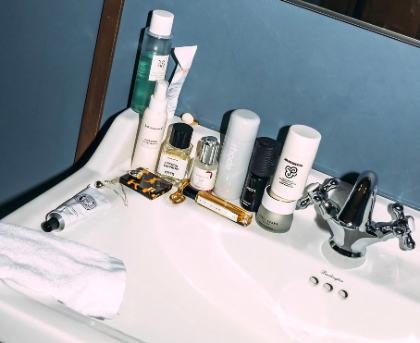
Imagine applying a cream that not only smooths your skin but also speaks your body’s language – calming, healing, and even reshaping your sense of well-being. It may sound like futuristic fiction, but it’s not. This is the power of neurocosmetics – the groundbreaking, science-backed revolution – and LAST.
Your skin is smarter than you think
Most people treat skin like a barrier – something passive to be washed and moisturized. But here’s the twist: your skin is a living, feeling neuroendocrine organ – with over 1,000 nerve endings per square inch, receptors, and even the ability to produce neurotransmitters like serotonin, dopamine, and cortisol1. Directly connected to your nervous system, it shares a deep, evolutionary link with your brain. Ever wondered why you blush when embarrassed or get goosebumps in the cold? That’s your skin speaking your emotions. This skin-brain dialogue is a rapidly expanding field of research, showing that your skin not only reacts to but can actually influence your emotional and physical states2.
As dermatologist Emiliano Panconesi puts it: the brain and skin are “ectodermal twins”. The skin isn’t just alive – it’s in constant conversation with your mind.
Why your skincare routine needs a brain boost (and how neurocosmetics deliver it)
Neurocosmetics are far more than just “feel-good” creams – they’re a groundbreaking fusion of science and skincare. These bioactive products actively engage with your skin’s sensory and nervous systems, delivering results that go beyond superficial beauty. We’re talking about reducing inflammation, regulating stress hormones, and even reversing the visible effects of aging at the cellular level. Neurocosmetics harness the skin’s remarkable ability to respond to external stimuli, changing the way we approach skincare for good – they don’t just work on your skin, they work with it. Here’ how:
- Modulating neurotransmitters and receptors in the skin (such as Substance P, CGRP, and beta-endorphins) to directly influence skin function and resilience3.
- Mimicking or blocking nervous system responses to combat inflammation, pain, and oxidative stress, helping to restore balance and boost skin vitality4.
From redness to wrinkles: How neurocosmetics are tackling skin’s biggest enemies
Neurocosmetics are not just about moisturizing – they’re about tackling the root causes of common skin issues like redness, wrinkles, and stress. Here’s how they work for your skin:
You Look Better: Neurocosmetics don’t just mask the problem, they address it at the cellular level. They are proven to reduce visible signs of inflammation, boost skin hydration by up to 30%, firm the skin, and smooth fine lines. One study showed that a natural neuroactive plant extract (used in LAST’s upcoming new launch) reduced facial redness by 10% in just 24 hours (and 240% in 28 days) and improved hydration by 25% after two weeks5.
You Feel Better: Neurocosmetic ingredients like those in LAST’s Skin Repair Serum help stimulate the production of the skin’s natural “happiness molecules,” such as beta-endorphins, These neuropeptides are associated with local calming, soothing, and anti-inflammatory effects. Studies show that beta-endorphins also help reduce pain and irritation by acting on opioid receptors in the skin6. While research suggests that beta-endorphins produced in the skin may contribute to a subtle sense of comfort and well-being, their broader influence on mood is still under scientific investigation7.
You Age Slower: Chronic stress accelerates aging by increasing cortisol levels, but neurocosmetics help combat this. By modulating stress pathways like cortisol and 11β-HSD1 (an enzyme that activates cortisol in the skin), neurocosmetics help preserve collagen, hydration, and overall skin function8. Ingredients like Cassia Angustifolia and Tephrosia Purpurea – both used in our formulations – can mitigate the aging effects of stress by up to 70%.
Your Skin Gets Smarter: Neurocosmetics go beyond symptom relief – they work with your skin’s natural regulation systems to build long-term resilience. Studies reveal that these products “train” your skin to react less intensely to stressors over time, ultimately improving its function and overall health9.
The skin-damaging power of cortisol – and how neurocosmetics help
Cortisol, often called the “stress hormone,” is essential for survival. However, when produced in excess due to chronic stress (as well as poor sleep, pollution etc), it can become a formidable enemy to your skin. Studies have shown that elevated cortisol levels reduce skin hydration by up to 40% and compromise the skin barrier10. Cortisol also accelerates collagen breakdown, contributing to wrinkles, thinning, inflammation, and delayed wound healing11. It increases sebum production, which can worsen acne, while weakening the skin’s natural defense mechanisms.
But there’s hope. Several neurocosmetic ingredients have been scientifically proven to reduce cortisol production by up to 70% or block its harmful activation in the skin12. This disruption of cortisol’s damaging effects helps restore skin balance and boosts resilience, even in the face of stress. Neurocosmetics aren’t just about managing the visible signs of stress – they’re about rebuilding the skin’s strength from within.
Beta-endorphins: Your skin’s natural bliss molecule
Beta-endorphins are neuropeptides naturally produced by both the brain and the skin. Often referred to as the “feel-good” molecules, they play a role in pain relief, mood regulation, and anti-inflammatory responses. In the skin, beta-endorphins help reduce irritation, support healing, and even enhance the skin’s glow and texture. Neurocosmetics aim to stimulate the production of beta-endorphins locally. Ingredients such as Rhodiola rosea and Tephrosia purpurea extract – both present in LAST formulations – are used to promote a calming sensation after application, while also helping the skin’s immune system respond more effectively to external stressors13. In one study, topical application of Rhodiola rosea increased beta-endorphin levels by 15% in participants, correlating with improved skin barrier function and reduced signs of irritation14. However the extract we use at LAST has been clinically shown in in vitro studies to increase the beta-endorphin levels in the skin by up to four times.
Here are some science-backed ingredients that directly interact with your skin’s nervous system:
- Tephrosia Purpurea extract (Neurophroline®): Reduces cortisol, boosts beta-endorphins, improves hydration, and enhances skin resilience.
- Rhodiola rosea: Known for its mood-enhancing properties and antioxidant defense, it strengthens the skin’s response to stress.
- Pentapeptide-59 (SensAmone P5): Blocks TRPV1 pain/sensitivity receptors, reducing skin sensitivity by up to 25%15.
- Botulinum-like peptides: These relax facial muscles and smooth wrinkles by acting on the same mechanisms as botulinum toxin, reducing fine lines and wrinkles by 30% in clinical trials.
These ingredients don’t just coat your skin – they send messages to your cells, activating pathways that improve both appearance and function.
But wait – is this just marketing hype?
No. The term “neurocosmetics” was first defined by Prof. Laurent Misery in 2000. Unlike so-called “mood cosmetics” or scented lotions, real neurocosmetics are supported by cellular, in vitro, and clinical studies. These products do not affect the brain or mood directly but work locally at the skin level – modulating nerve endings, neurotransmitters, and inflammatory cascades16. Clinical trials have shown that neurocosmetic products, like those offered by LAST Skincare, have measurable, real-world effects on skin function, from reducing visible inflammation to improving moisture retention and barrier integrity.
Bottom line: Your skincare routine could be smarter – and more effective
Neurocosmetics offer a compelling new reason to rethink your approach to beauty: they support not just how you look, but how your skin functions – and feels. In a time when stress, pollution, and premature aging are daily realities, neurocosmetics are more than a trend – they’re a science-backed response to modern skin needs. At LAST, we have the privilege of formulating with the most effective neuroactive ingredients from around the globe, designed not only to enhance your skin’s appearance but also to help it function at its best. This is our core, further strengthened by well-established plant-based actives and cutting-edge science to offer unparalleled treatments, and deliver resuls that last.
Try it. Feel it. Let your skin talk back.
Read more:
- Kammeyer et al., 2014, Journal of Investigative Dermatology – Neuroimmune Communication in Skin: Far from Peripheral – full article
- Rizzi et al., 2021 – Neurocosmetics in Skincare – The Fascinating World of Skin–Brain Connection: A Review to Explore Ingredients, Commercial Products for Skin Aging, and Cosmetic Regulation – full article
- Rajagopal, 2025 – Neurocosmetics: an extensive overview – full article
- Rizzi et al., 2021 – Neurocosmetics in Skincare – The Fascinating World of Skin–Brain Connection: A Review to Explore Ingredients, Commercial Products for Skin Aging, and Cosmetic Regulation – full article
- De Tollenaere et al., 2020 – Well-aging: A new strategy for skin homeostasis under multi-stressed conditions – full article
- Liu et al., 2020 – Mu-opiate receptor and beta-endorphin expression in nerve endings and keratinocytes of human skin – full article
- Liu et al., 2020 – Mu-opiate receptor and beta-endorphin expression in nerve endings and keratinocytes of human skin – full article
- Jun Kim, 2021 – Increased Expression of 11β-Hydroxysteroid Dehydrogenase Type 1 Contributes to Epidermal Permeability Barrier Dysfunction in Aged Skin – full article
- Rizzi et al., 2021 – Neurocosmetics in Skincare – The Fascinating World of Skin–Brain Connection: A Review to Explore Ingredients, Commercial Products for Skin Aging, and Cosmetic Regulation – full article
- Bertin et al., 2022 – Cortisol and Skin Hydration: Implications for Skin Aging – full article
- Lupisella et al., 2023 – Cortisol’s Impact on Collagen Synthesis and Skin Aging – full article
- Rizzi et al., 2021 – Neurocosmetics in Skincare – The Fascinating World of Skin–Brain Connection: A Review to Explore Ingredients, Commercial Products for Skin Aging, and Cosmetic Regulation – full article
- Liu et al., 2020 – Mu-opiate receptor and beta-endorphin expression in nerve endings and keratinocytes of human skin – full article
- Wang et al., 2022 – Rhodiola rosea and Its Role in Enhancing Beta-Endorphin Synthesis – full article
- Tung et al., 2023, Skin Pharmacology and Physiology – Pentapeptide-59: A TRPV1 Antagonist for Skin Sensitivity.
- Rizzi et al., 2021 – Neurocosmetics in Skincare – The Fascinating World of Skin–Brain Connection: A Review to Explore Ingredients, Commercial Products for Skin Aging, and Cosmetic Regulation – full article